What coastal conditions do to a drive
Near the seafront, wind-blown sand works into joints and gullies, and rain and spray wash joint sand out again. Close to the shore the ground is often sandy and drains well; further inland it tends towards clay, which holds water. Both affect how a drive ages. Our coastal driveways guide covers this in more detail.
Repair or rebuild?
Usually repairable:
- Joints that have lost their sand, with weeds or moss growing in them.
- A single sunken area, often by an inspection cover or in the wheel tracks.
- Tarmac that is faded and stony but still level.
- A blocked channel drain or a puddle at one low spot.
Usually means rebuilding:
- Dips across most of the drive.
- Blocks or slabs that rock when you stand on them.
- Cracks that open up again soon after they are filled.
Block paving
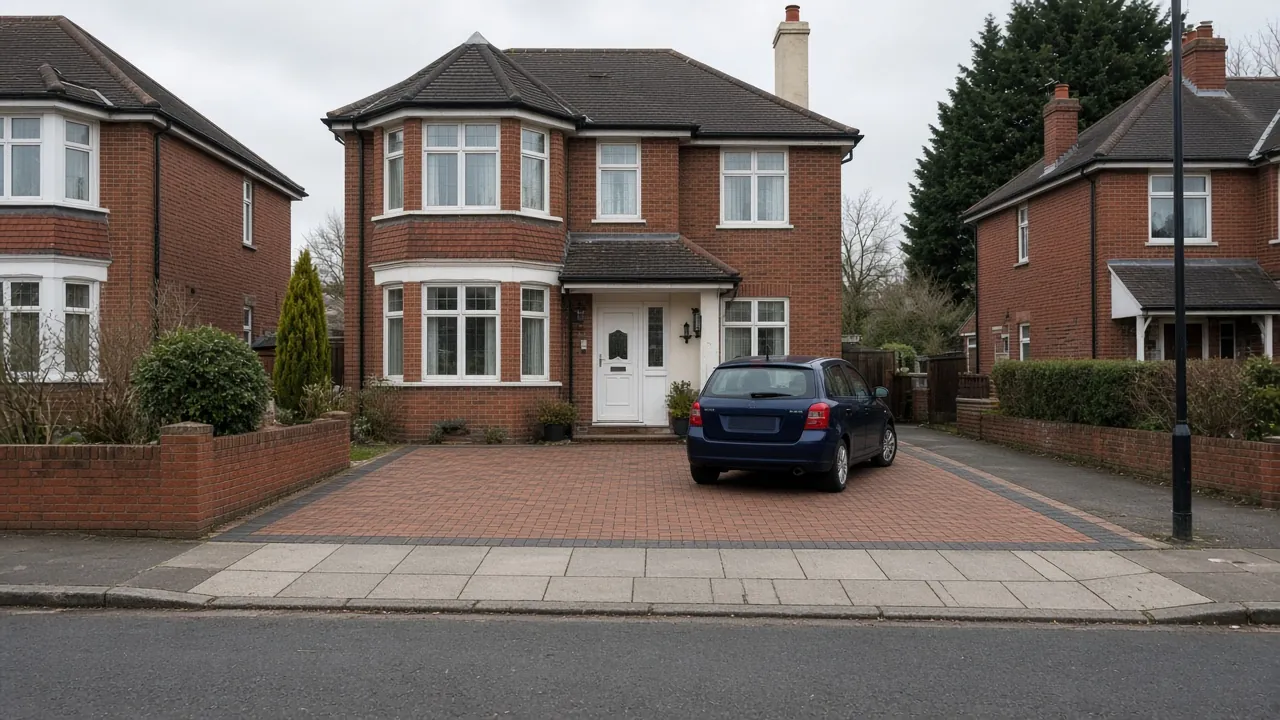
Sunken blocks are lifted, the cause is found (a soft spot, leaking drain or old trench), the base is rebuilt and compacted, the sand bed is relaid and the same blocks are put back and compacted. Joints are then refilled with kiln-dried sand. On exposed streets, a joint stabilising sealer can help keep the sand in place. Builder-laid drives in Wheatlands and other newer estates often sink in the wheel tracks within a few years. See block paving.
Tarmac
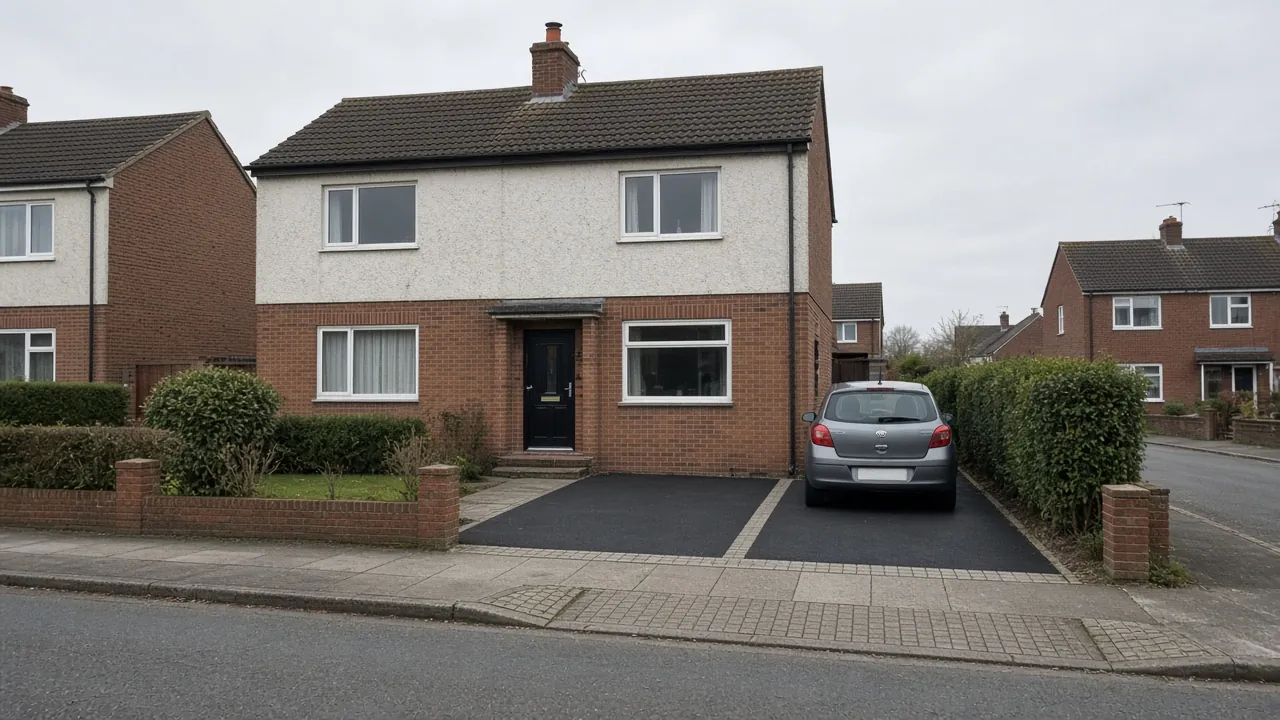
Potholes are cut back square, cleaned, tack-coated and filled with hot material, then rolled and sealed at the joints. A worn but stable drive can take a new surface course over the top, provided the finished level stays at least 150mm below the damp-proof course. Cracked or sunken tarmac over a poor base will not be fixed by an overlay. See tarmac driveways.
Gravel and resin
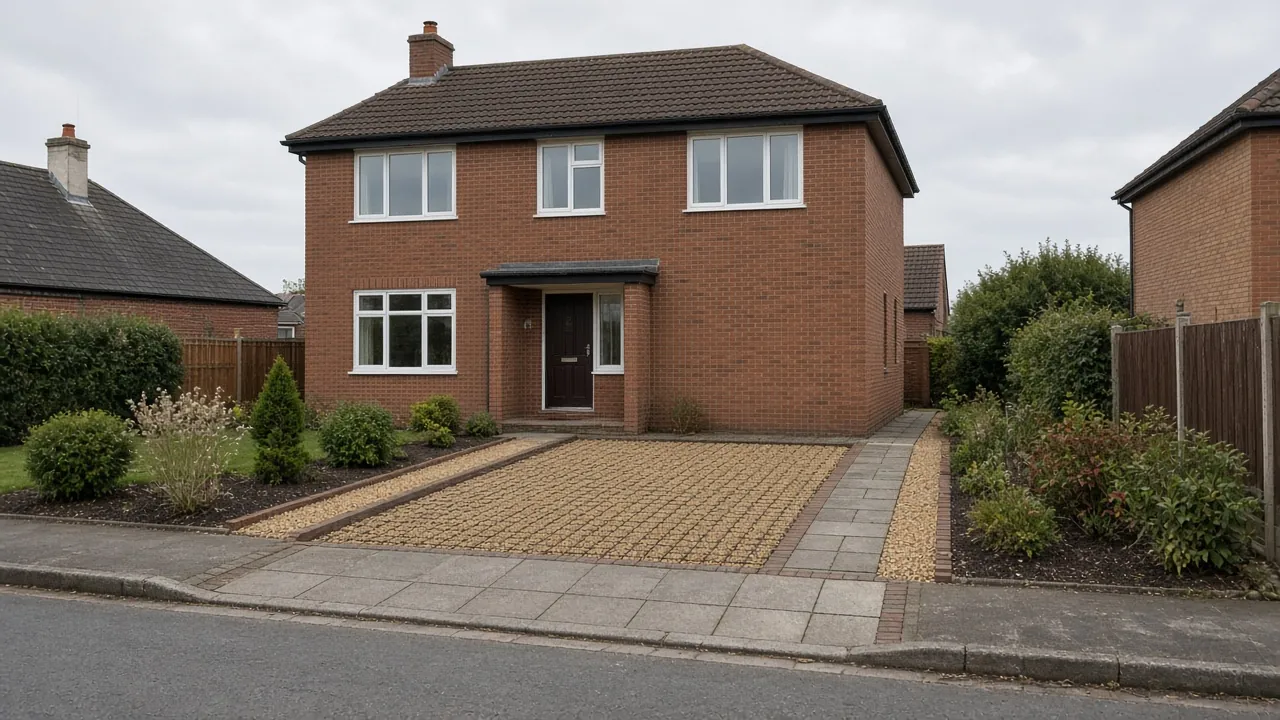
Gravel drives near the coast lose stones to wind and feet. Topping up, re-edging and laying a stabilising grid keep them in place. A solid apron at the entrance keeps stones off the footway. See gravel driveways.
Resin can be patched in small areas, but an exact colour match is difficult, and cracks usually come from the base. Choose UV-stable resin if any area is relaid. See resin driveways.
Drainage and the rules
Puddles are often the first sign of a problem. Clearing a blocked channel, re-levelling a section or adding a soakaway can stop water undermining the base. Replacing a whole front drive counts as a new hard surface: in England, more than 5m² of impermeable surface draining onto the road needs planning permission. In the Coatham conservation area, check with the council before changing a frontage.
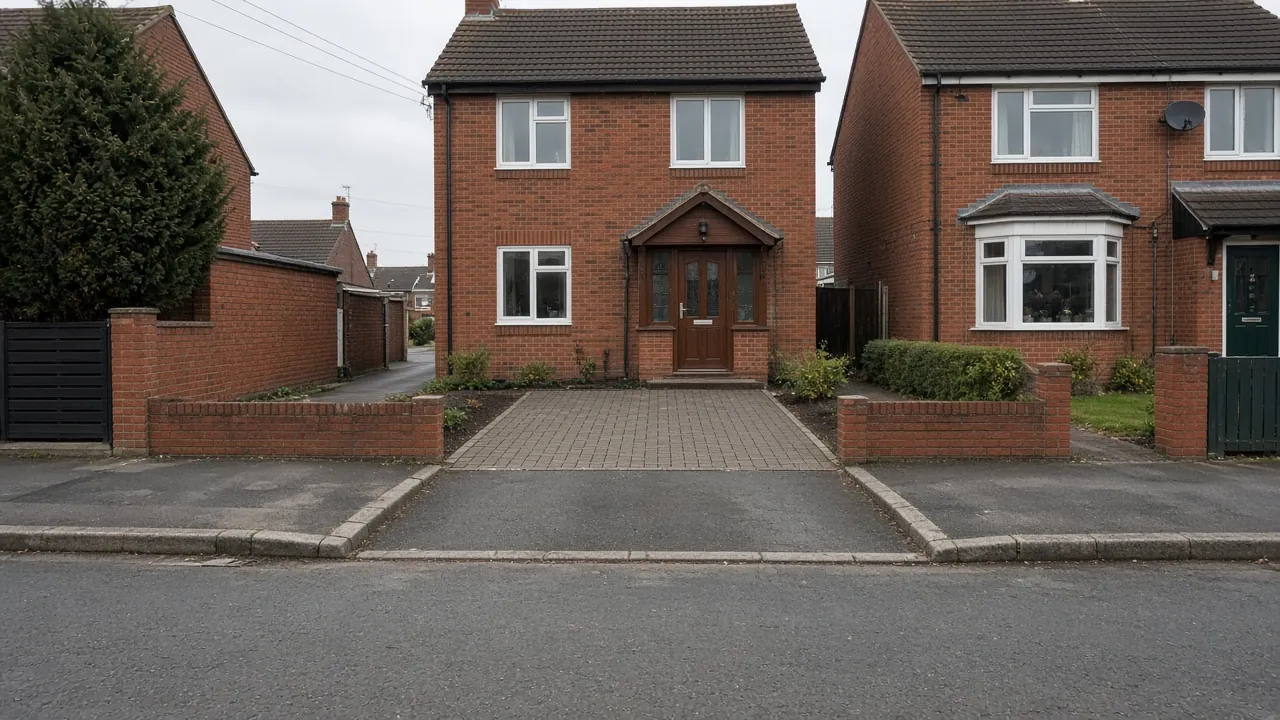
If the dropped kerb or footway outside is broken, report it to Redcar and Cleveland Borough Council, which looks after the highway. See dropped kerbs.
Common questions
Why do the joints in my block paving keep emptying?
Wind, rain and pressure washing all scour out joint sand. Refilling with kiln-dried sand, and a stabilising sealer on exposed drives, helps it stay put.
Can a sunken patch be fixed without new blocks?
Usually. The same blocks are lifted, the base is made good and they are relaid.
Is it worth resurfacing old tarmac?
Yes, if it is worn but still level and firm. Not if it is sinking or cracked right through.
Who repairs the pavement in front of my drive?
Redcar and Cleveland Borough Council, as the highway authority.